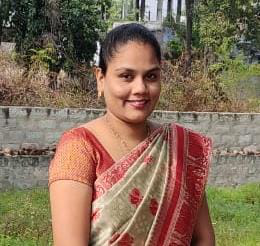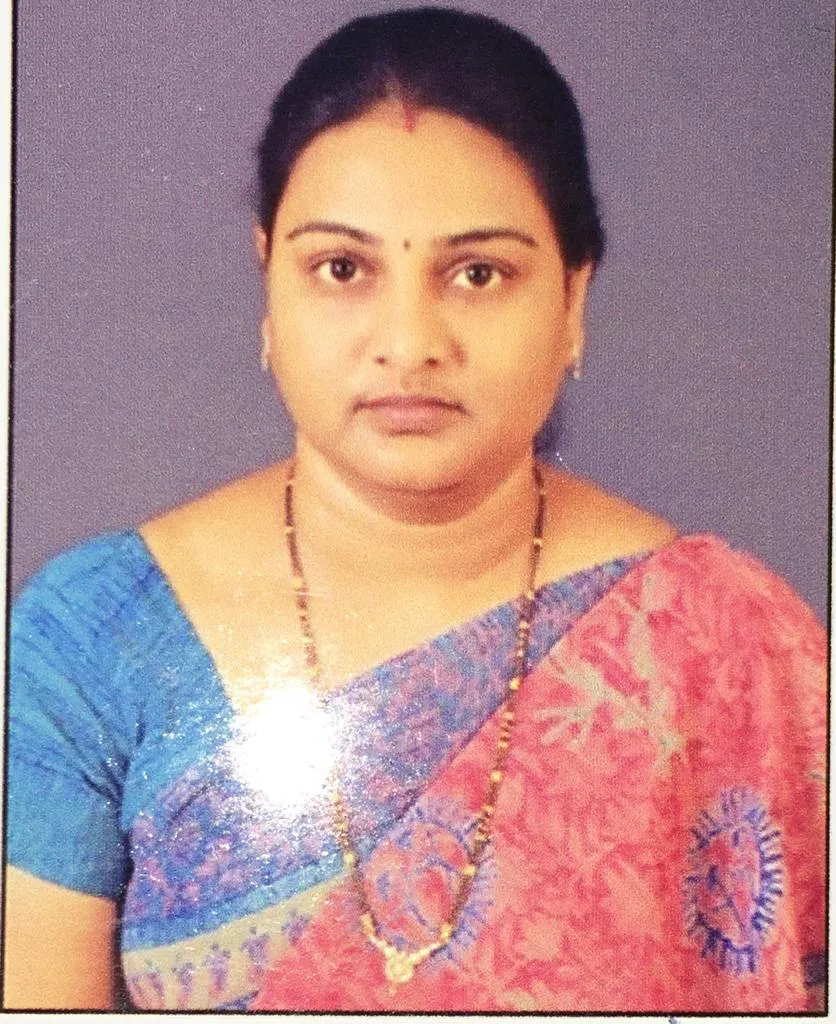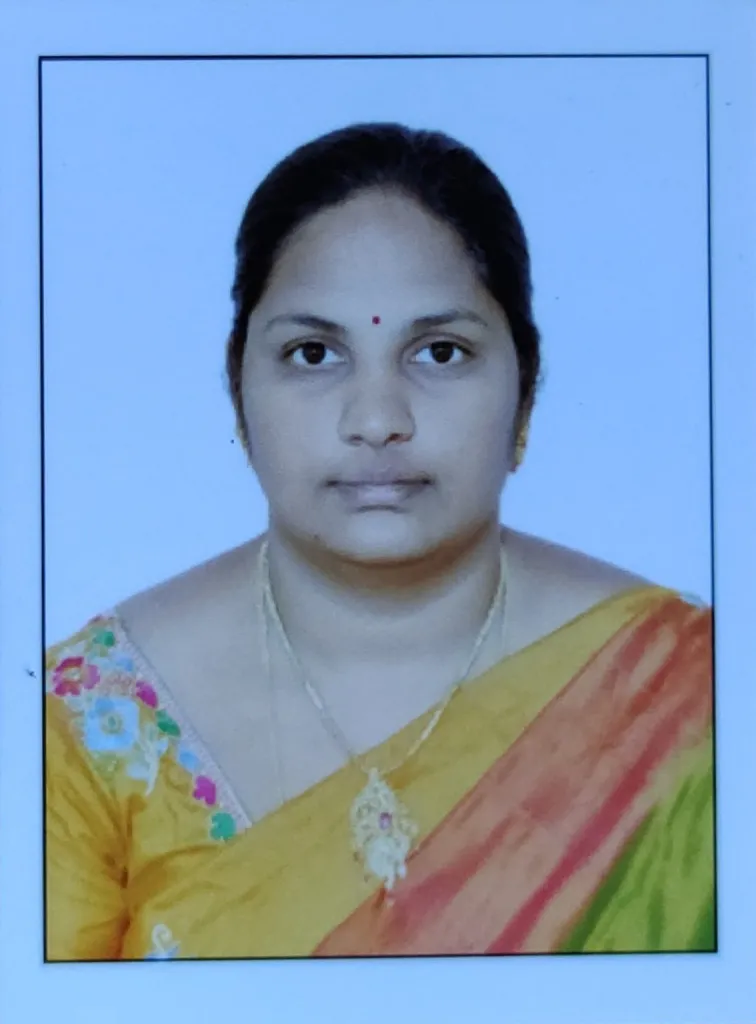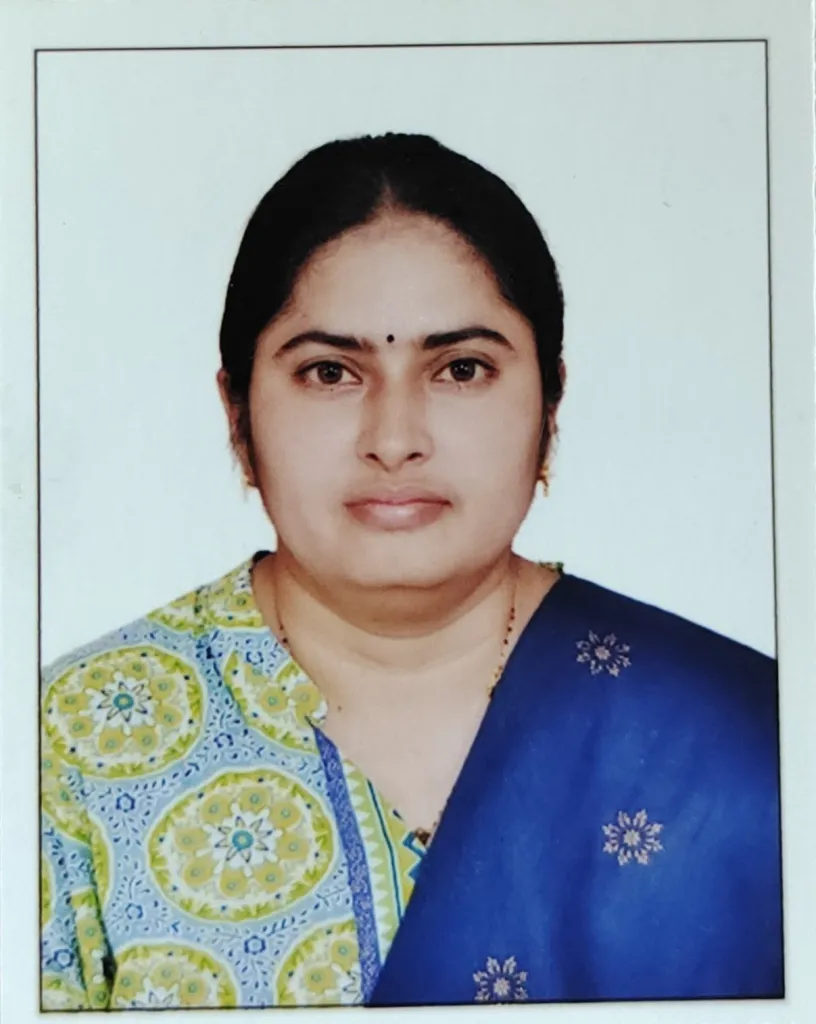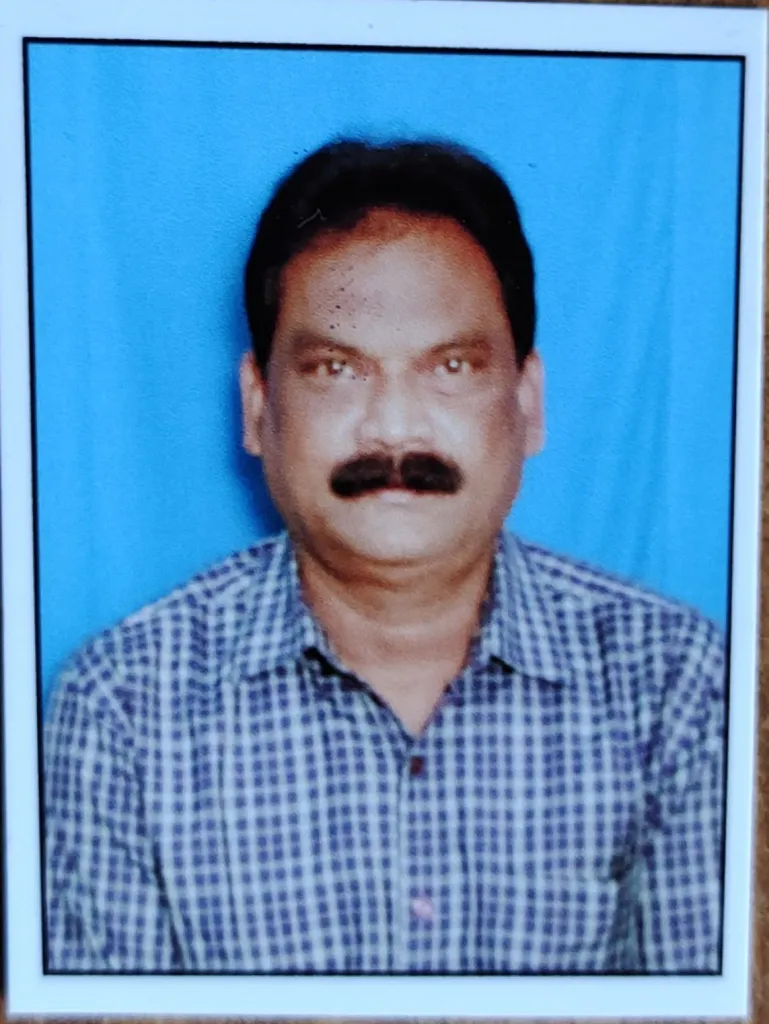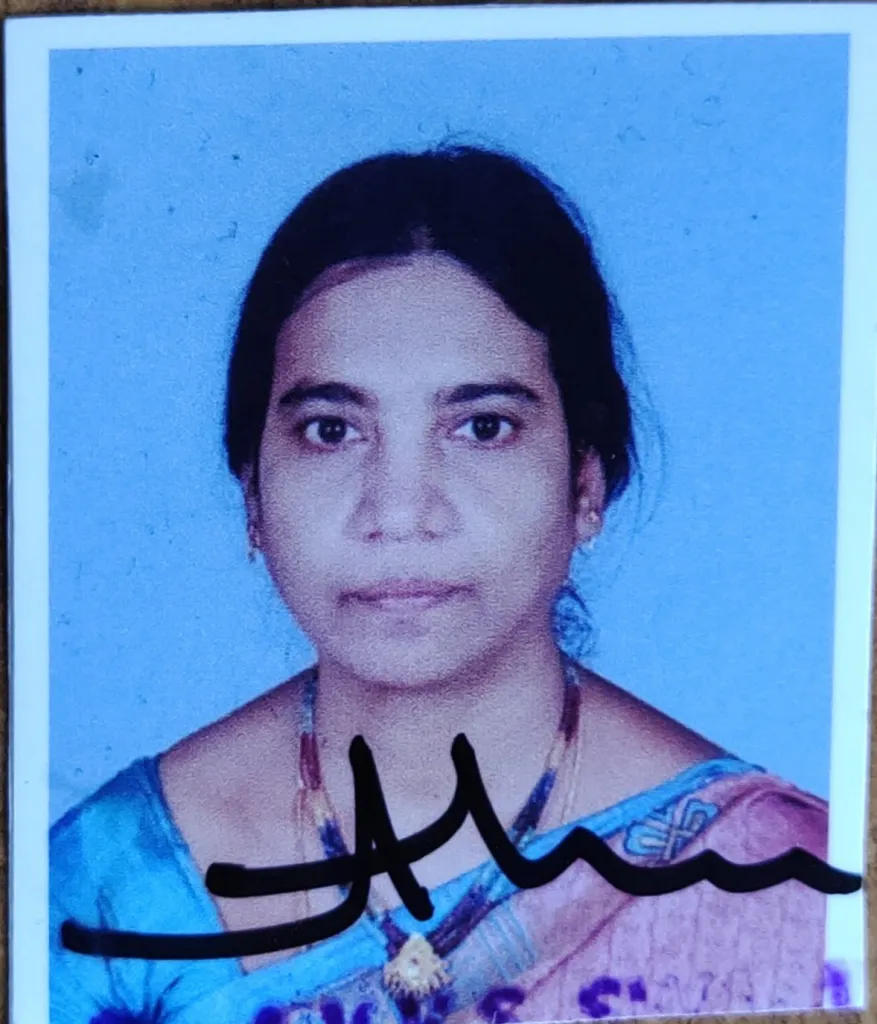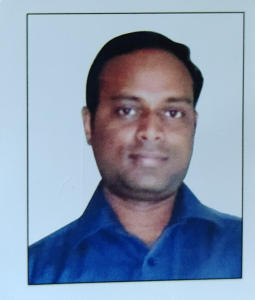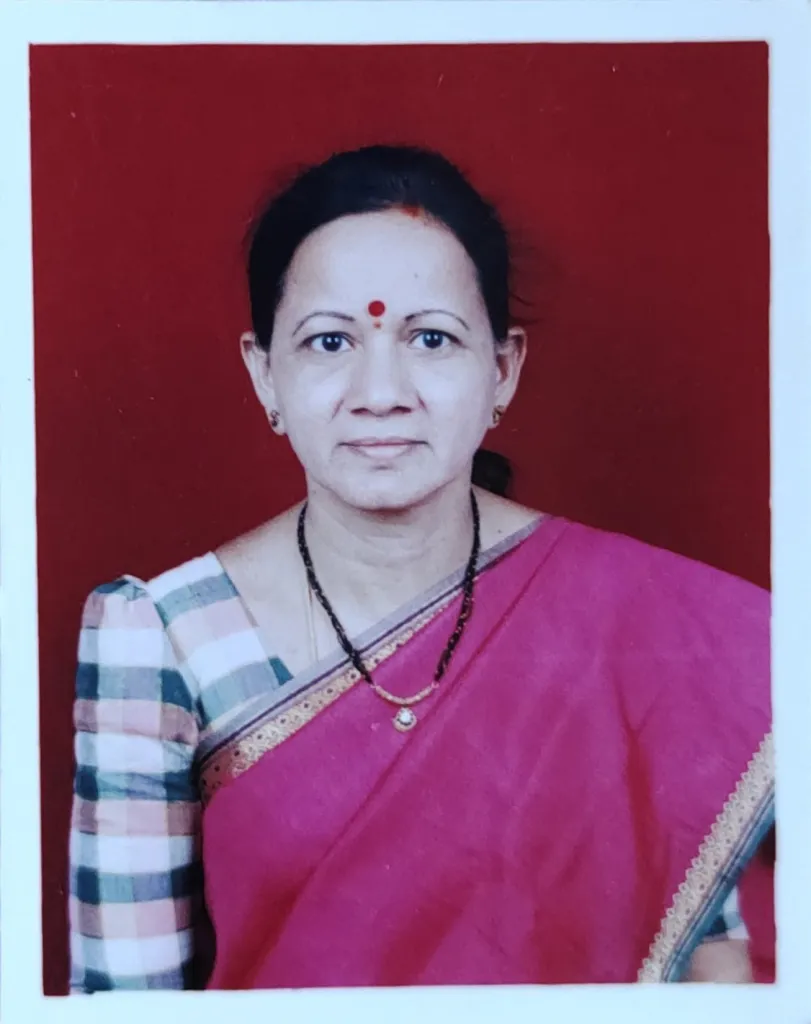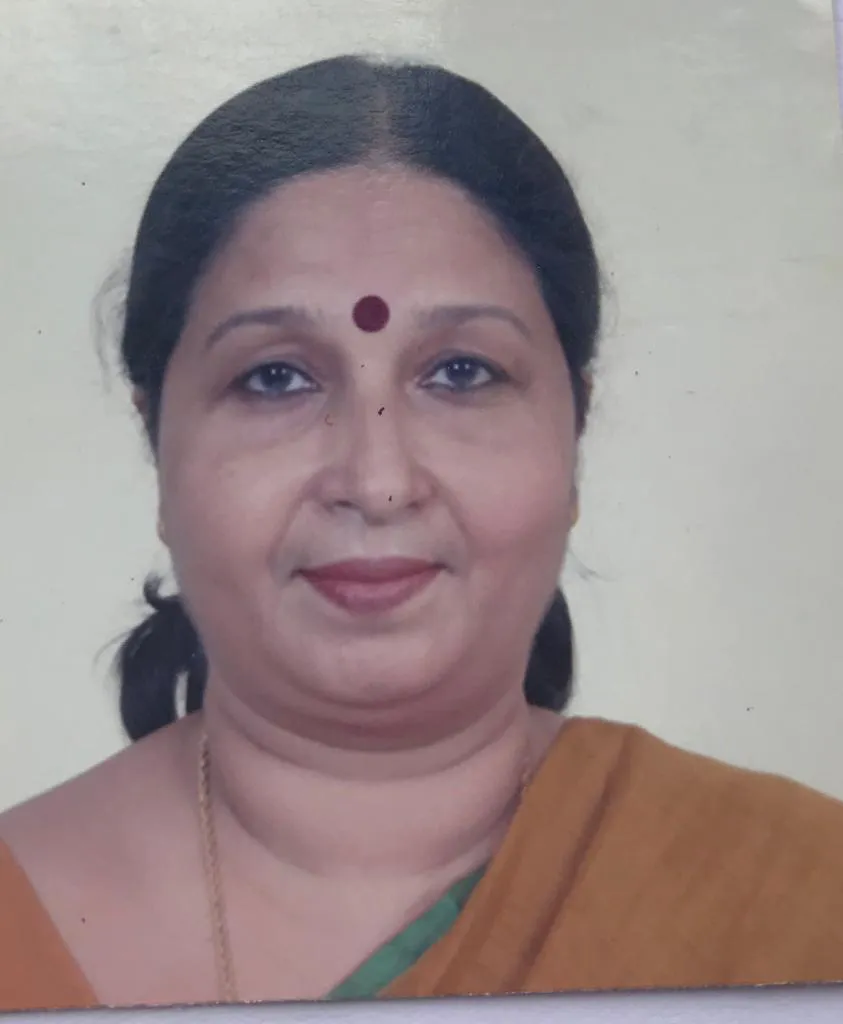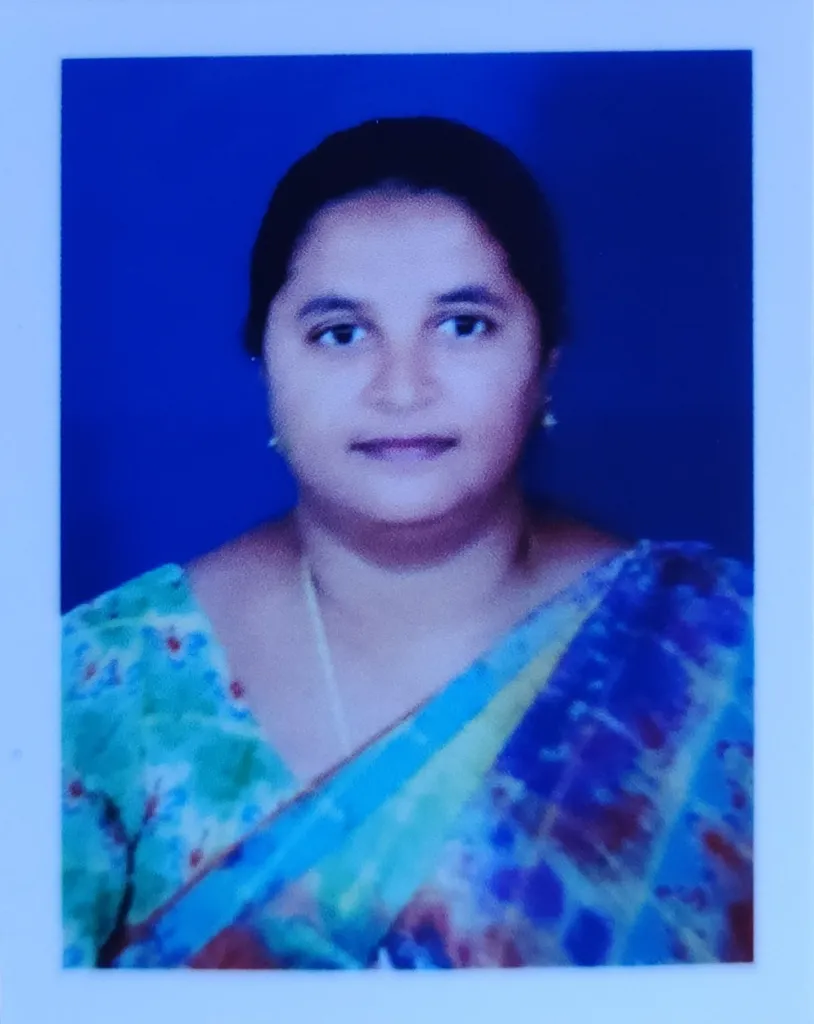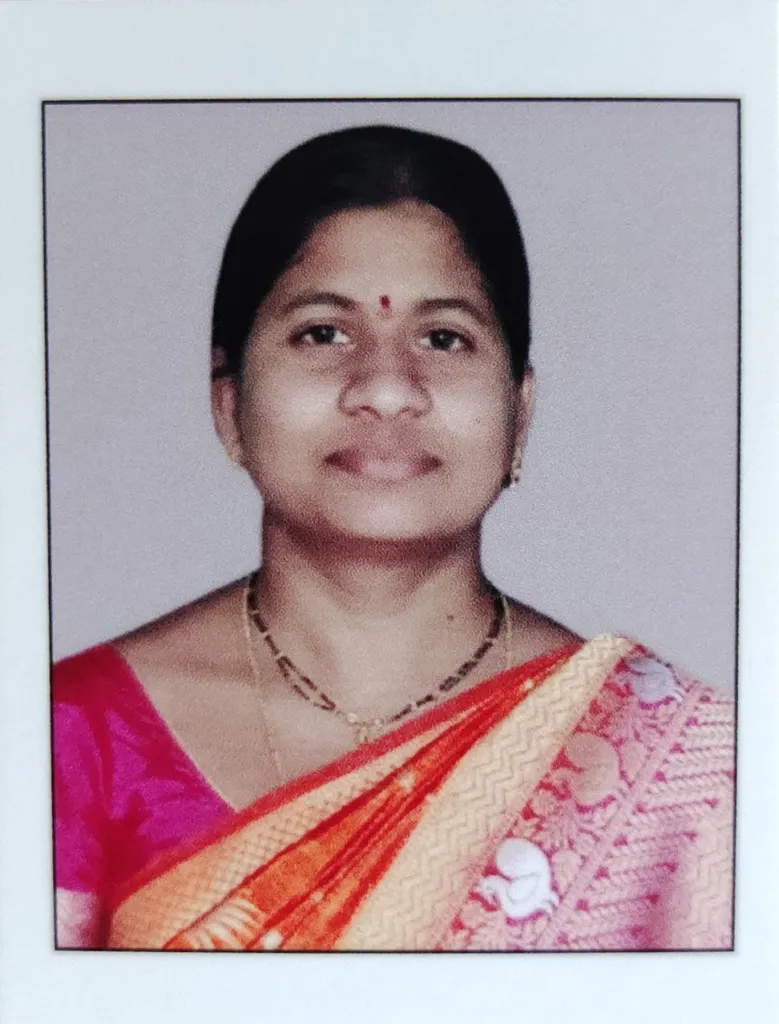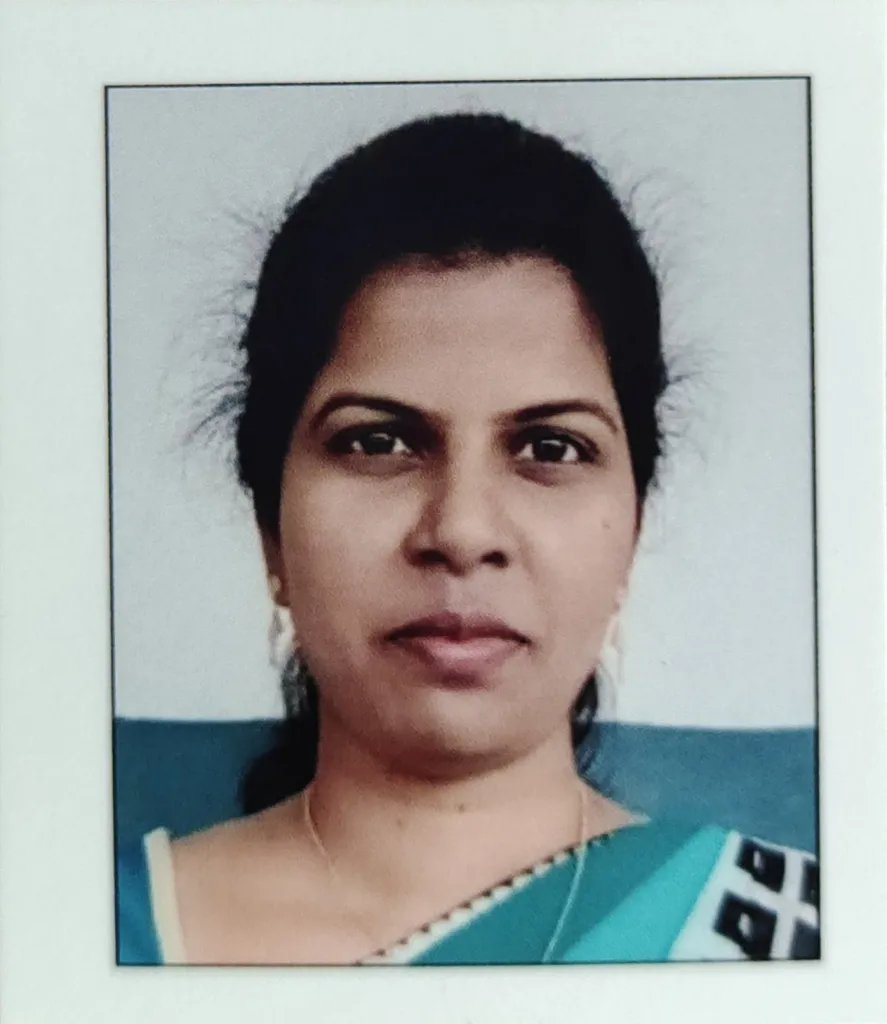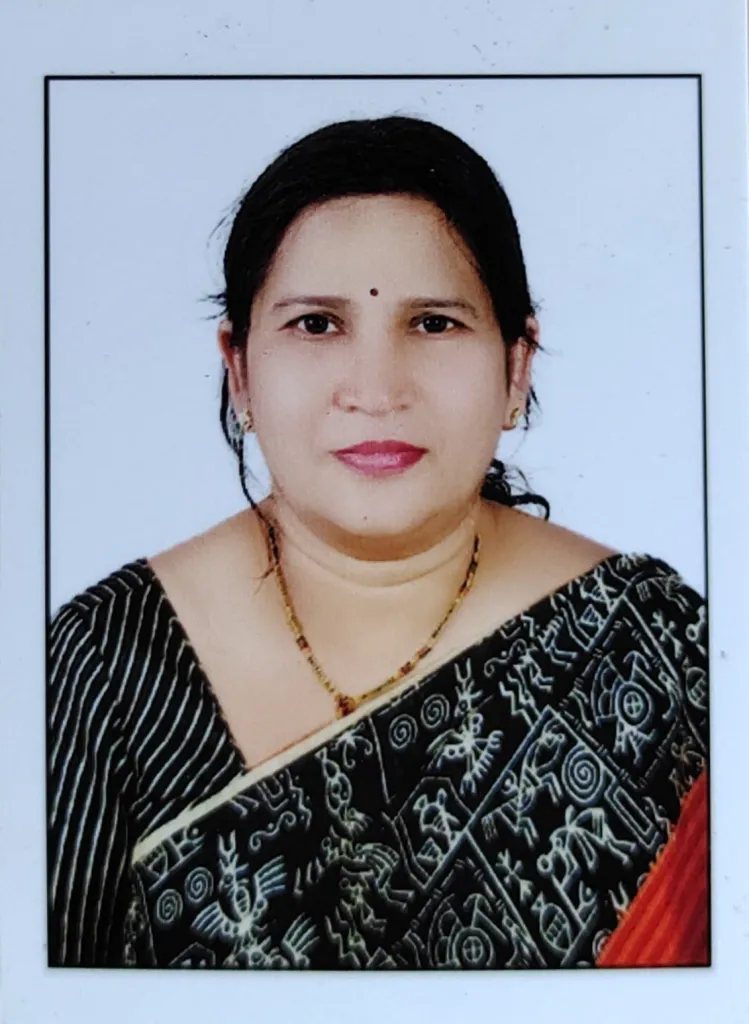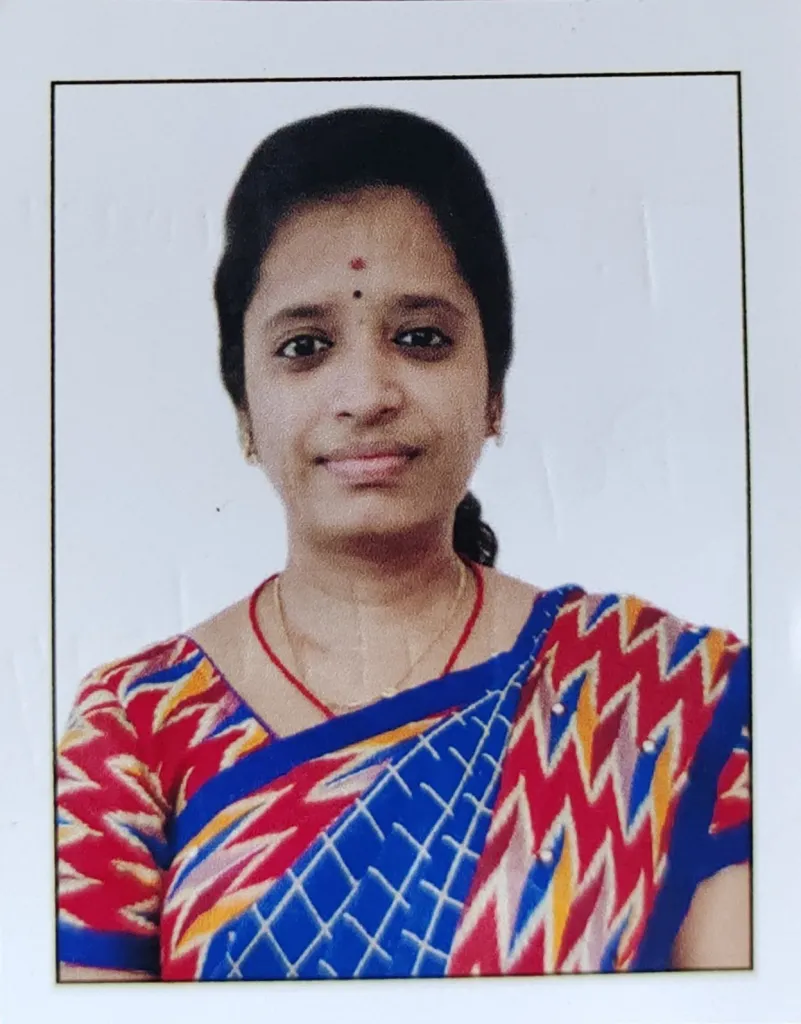









FMM GOVERNING BODY
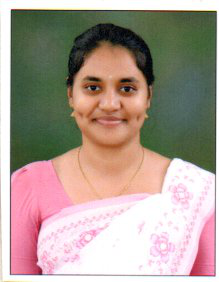
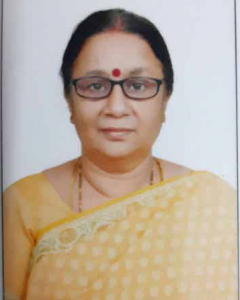
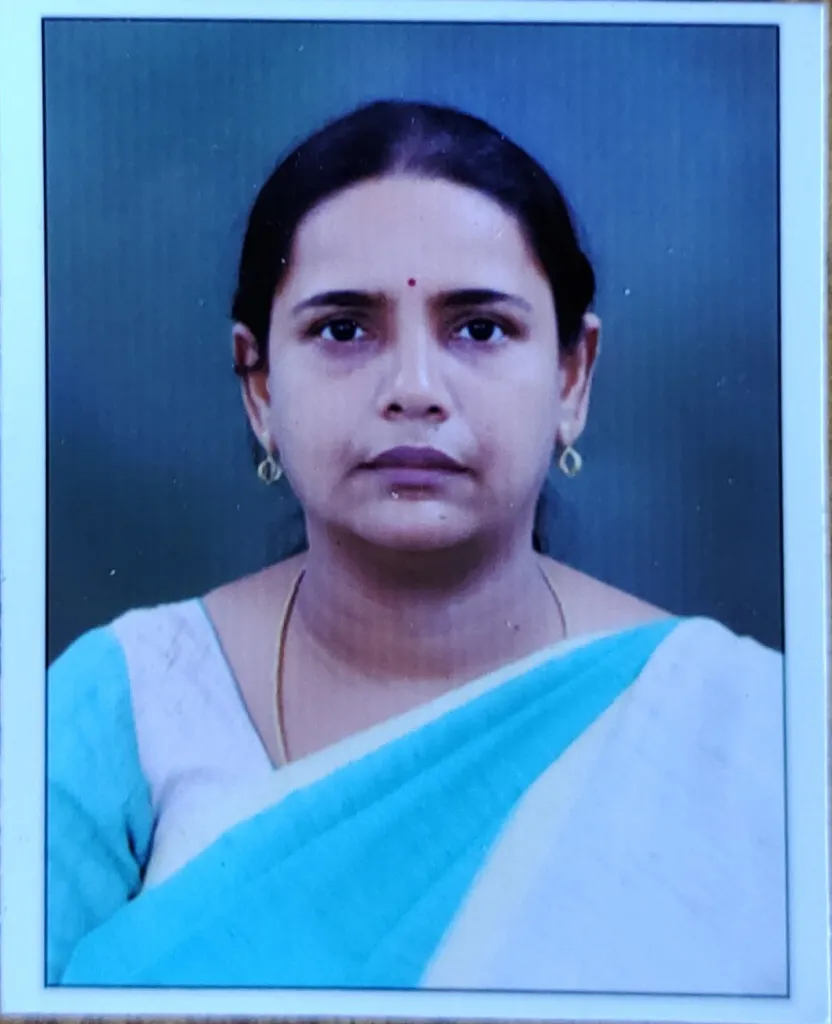
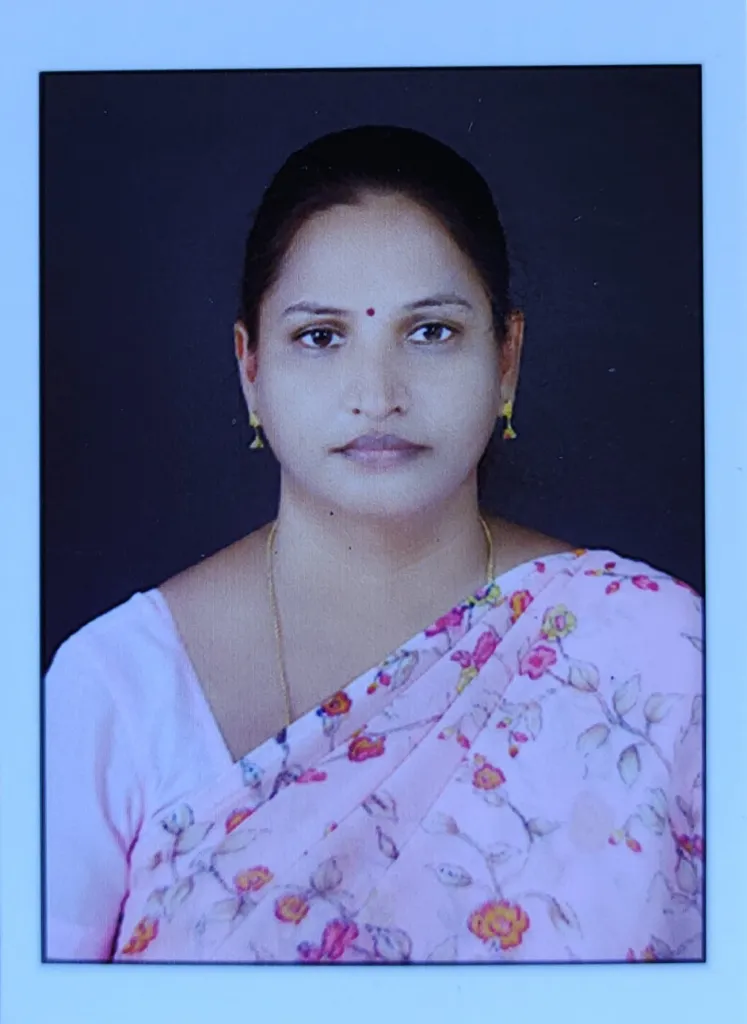
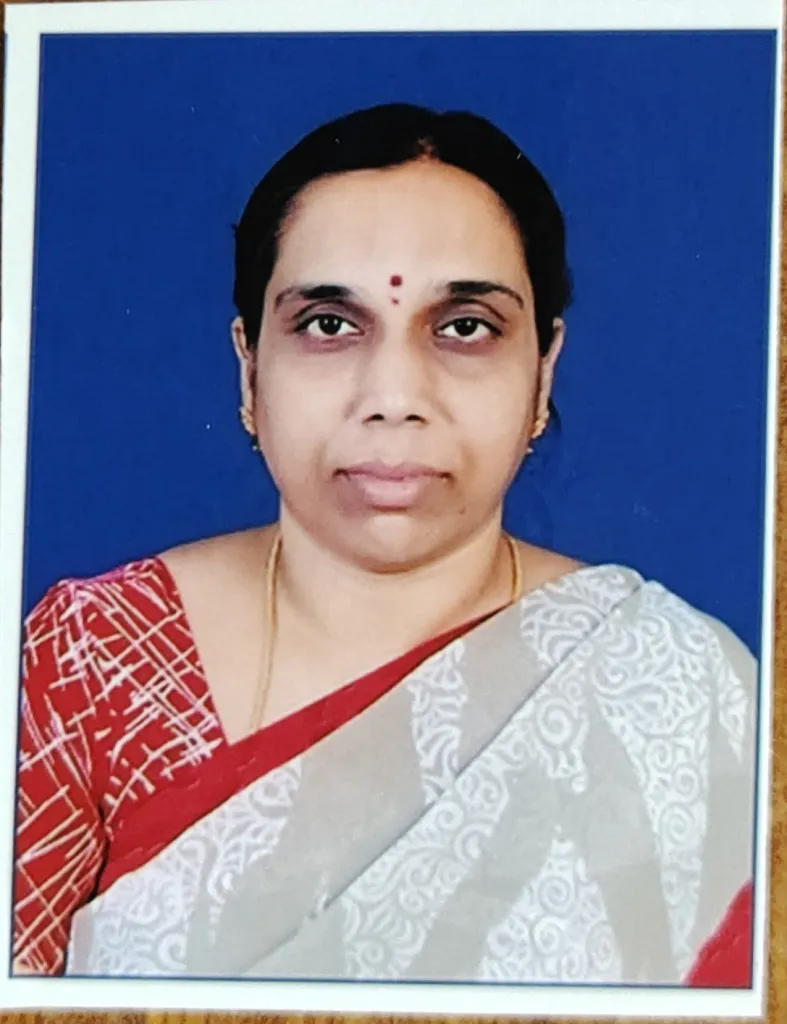
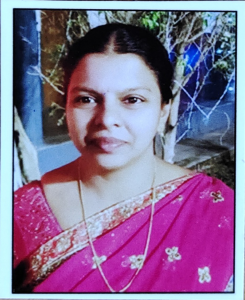
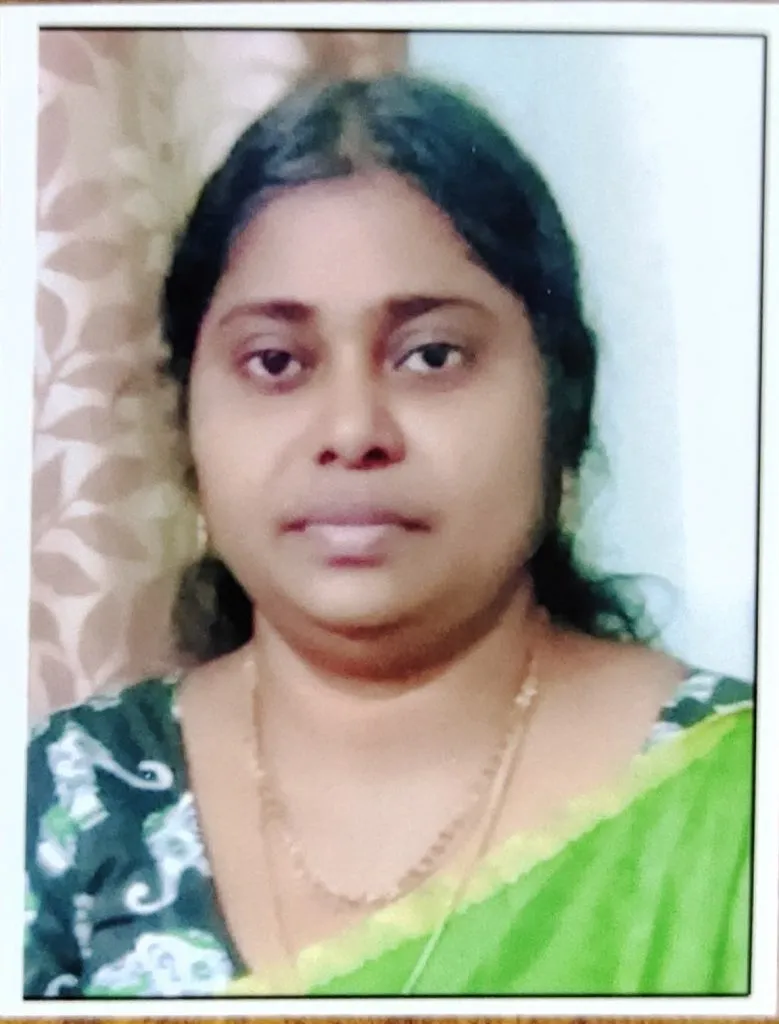
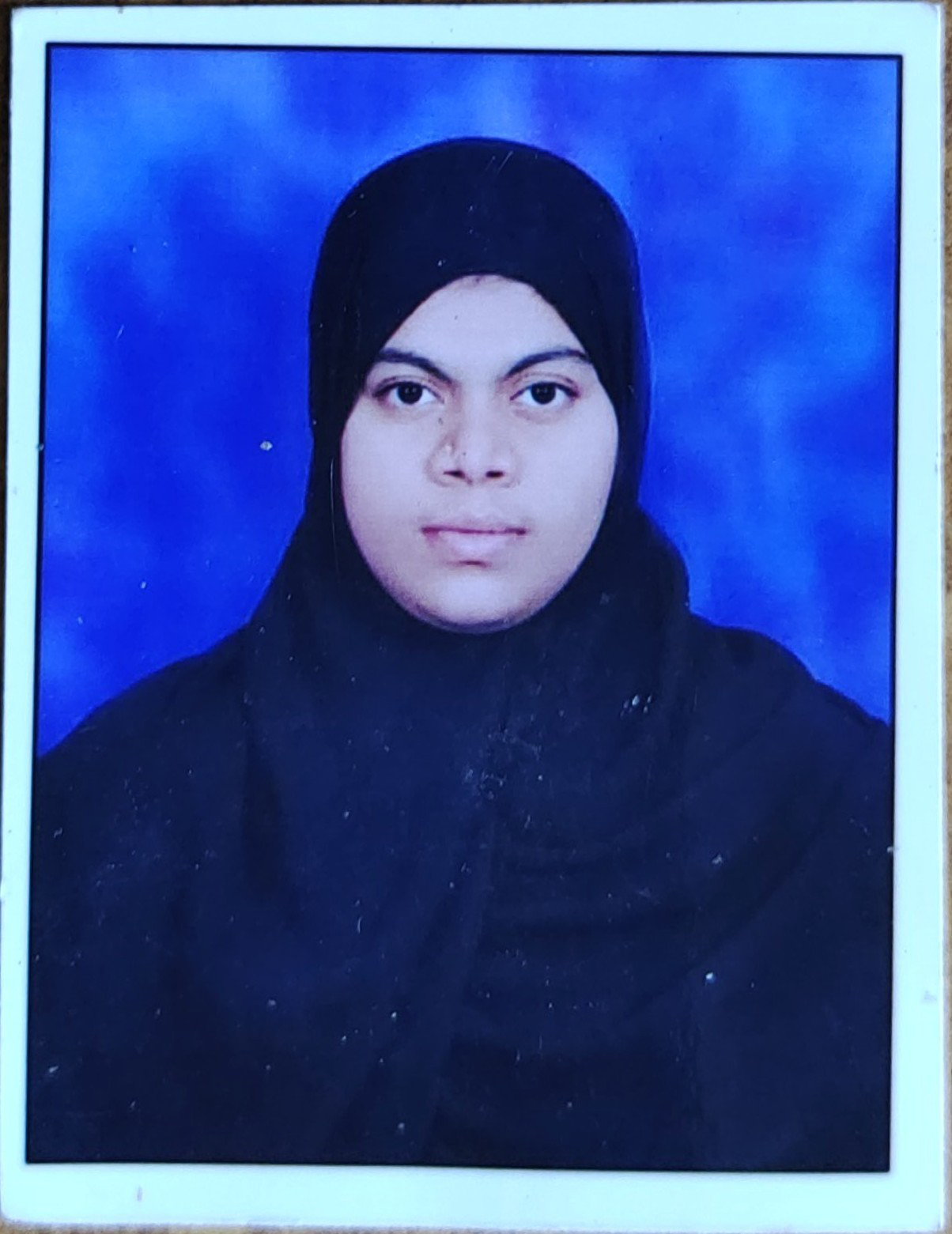
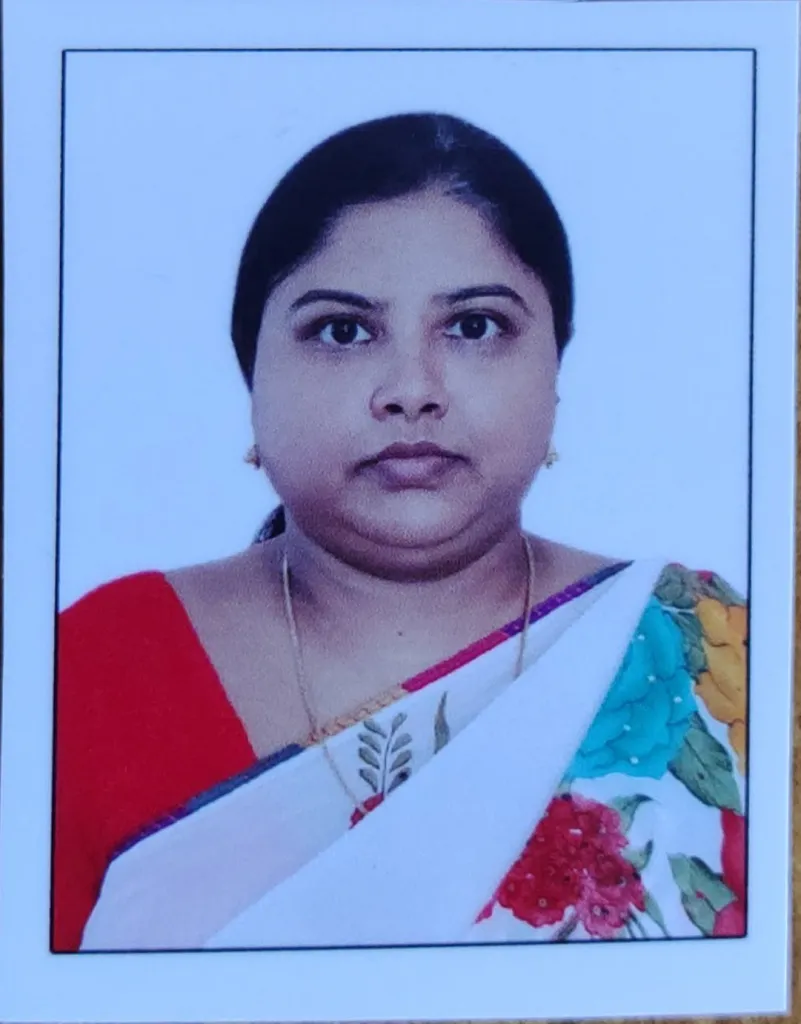
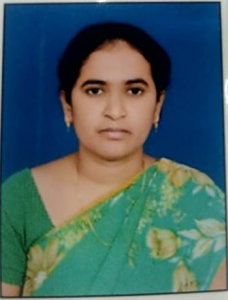
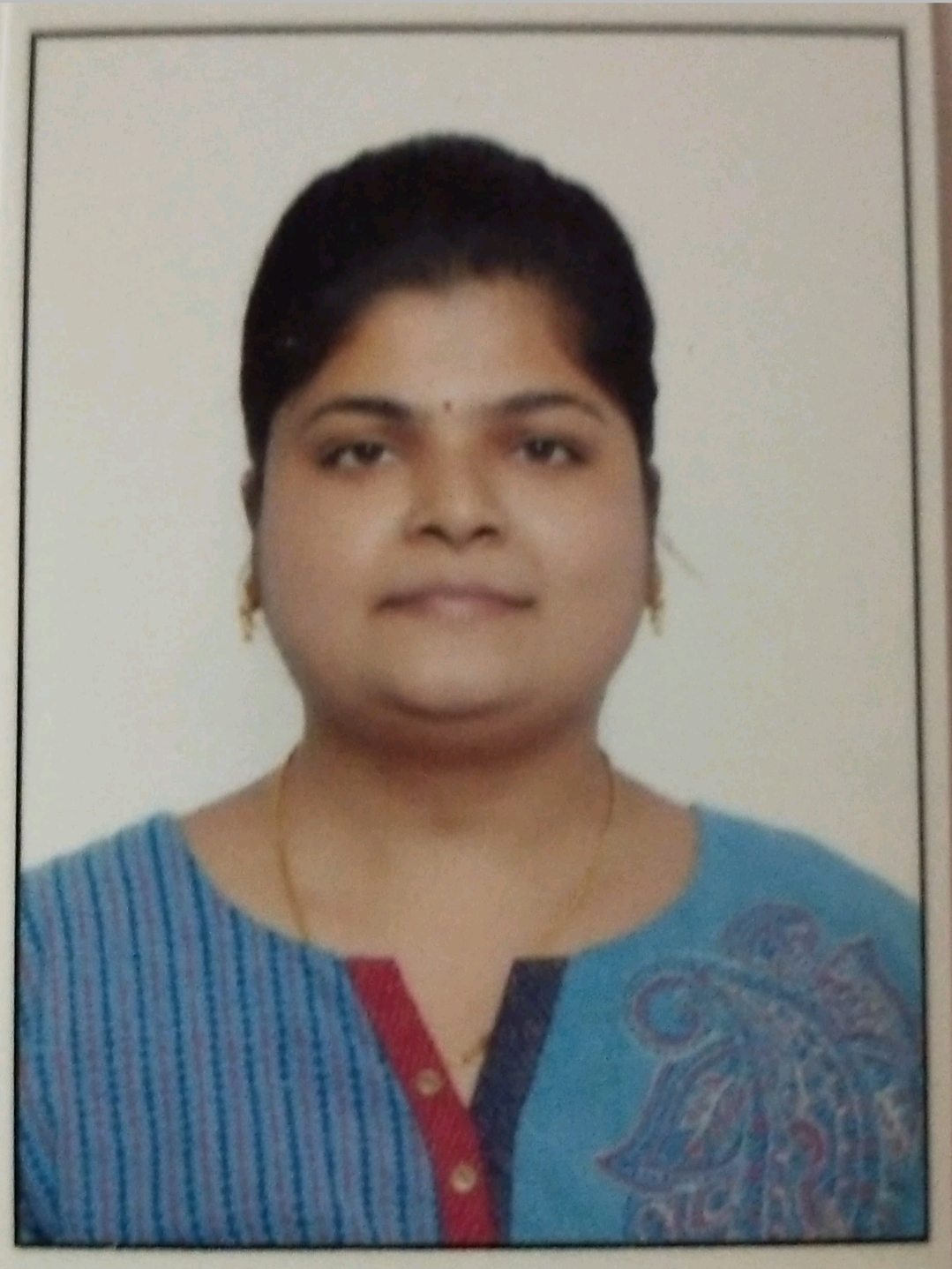
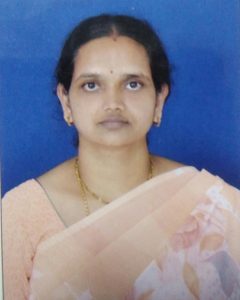
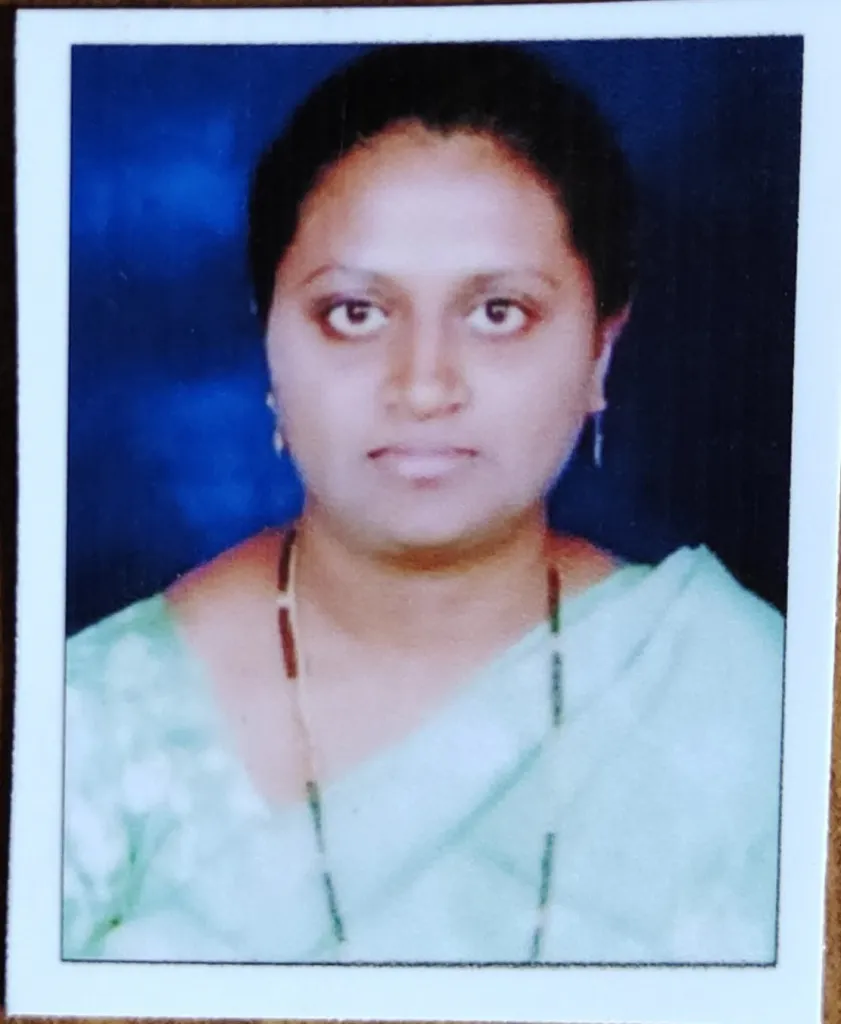
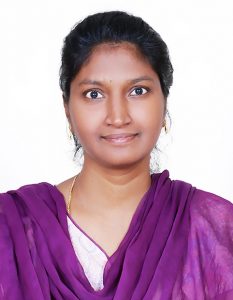
The Governing Body of the Society of ‘The Institute of the Franciscan Sisters of Mary, Maris Stella College, Vijayawada, Andhra Pradesh’ comprises the Regional Superior as President, the Superior of Maris Stella Convent as Vice-President, the Principal as Secretary, the Society Bursar, and three other members of the Society. The President presides over all Governing Body meetings, ensuring effective governance and decision-making. In the President’s absence, the Vice-President serves as Chairperson.
The governing body plays a crucial role in shaping the institution’s direction by formulating key policies and guiding the vision and mission of the college. It ensures that minority rights are protected in administration and governance, maintaining an inclusive and equitable environment. The body is responsible for approving the appointments of the Principal and senior faculty and staff, as well as sanctioning new courses, academic programmes, and innovative initiatives to enhance academic excellence.
Additionally, the governing body reviews and approves the annual budget and audited financial accounts, ensuring proper resource utilization and oversight of infrastructure development. It ensures compliance with UGC, university, and statutory regulations while continuously monitoring institutional performance and maintaining quality standards. By promoting staff welfare and supporting student development, the body upholds the institution’s founding values and fosters a strong commitment to community service.
MANAGEMENT COMMITTEE
The Management Committee is the highest decision-making body of the College. It provides vision, direction, and oversight, ensuring that the institution remains academically excellent, financially sound, and socially relevant.
- Governance & Policy:
- Define vision, mission, and policies.
- Ensure compliance with statutory and university regulations.
- Approve strategic and developmental plans.
- Academic Oversight
- Approve academic policies, curriculum, and quality initiatives.
- Support faculty recruitment, training, and appraisal.
- Promote research, innovation, and extension activities.
- Financial Management
- Approve budgets, monitor income and expenditure.
- Ensure accountability, transparency, and optimal resource use.
- Oversee infrastructure development and safeguard assets.
- Administrative Functions
- Oversee appointment of key administrators.
- Ensure staff welfare and grievance redressal.
- Guide institutional growth and resolve conflicts.
- Quality Assurance
- Monitor IQAC activities and accreditation processes.
- Set benchmarks and review institutional performance.
- Student Welfare
- Support scholarships, placements, and career guidance.
- Promote discipline, participation, and holistic development.
- External Relations
- Build partnerships with industry, academia, and community.
- Strengthen alumni relations and mobilize resources.
- Ethical & Legal Accountability
- Uphold institutional values and founding ethos.
- Ensure compliance with legal and statutory norms.
- Promote equity, inclusivity, and ethical practices.
STATUTORY BODIES
1. GOVERNING BODY 
The Governing Body oversees all institutional activities, including Academic Administration, Finance, Research, and other internal matters. It plays a key role in decision-making and execution, in addition to fulfilling mandatory requirements set by statutory bodies. Functioning through the decentralization of powers and responsibilities, the Body ensures the systematic and efficient operation of the entire institution.
The Composition
- Regional Superior – Chairperson
- Management Nominees – 4
- Senior Teachers – 2
- Administrative Officer/Senior administrative Staff – 1
- Educationist or Industrialist – 1
- State Government Nominee – 1
- University Nominee – 1
- Member Secretary – Principal
Term: The term of the nominated members shall be 5 years.
Meetings: Meetings shall be held at least once every six months.
Quorum: Presence of a minimum 50% of members will be the quorum.
Functions:
- Provides guidance to the College in achieving the objectives for which autonomous status was granted.
- Ensures the fulfillment of the institution’s Vision and Mission.
- Sanctions new academic programmes leading to degrees and/or diplomas.
- Approves the College’s annual budget, annual report, and monitors the financial statements.
- Performs other functions necessary or deemed appropriate for the holistic development of the Autonomous College.
- Ratifies the resolutions of the Academic Council and Finance Committee.
- Serves as a ‘Check and Balance’ mechanism by auditing the operations of academic, finance, research, consultancy, and quality assurance units.
- Recommends improvement measures whenever necessary.
2. ACADEMIC COUNCIL
The Composition
- The Principal – Chairperson
- All the Heads of Departments
- Four senior teachers representing different categories of teaching staff
- Not less than four experts/academicians from outside the Autonomous College representing such areas as Industry, Commerce, Law, Education, Medicine, Engineering, Sciences, etc., are to be nominated by the Governing Body.
- Three nominees of the University, not less than Professors.
- The Controller of Examinations
- A faculty member nominated by the Principal – Member Secretary
Term: The term of the nominated members shall be 3 years.
Meetings: Meetings shall be held at least once every six months.
Functions:
- To examine and approve, with or without modifications, the proposals of the Board of Studies related to courses of study, academic regulations, curricula, syllabi, instructional and evaluation methods, procedures, and other related matters.
- In cases where the Academic Council disagrees with any proposal, to return the matter to the concerned Board of Studies for reconsideration or reject it, after providing reasons for doing so.
- To formulate regulations for student admissions to various programmes of study in the College in accordance with college policy.
- To establish regulations for sports, extracurricular activities, and the proper maintenance and management of playgrounds and hostels.
- To recommend to the Governing Body proposals for introducing new programmes of study.
- To recommend to the Governing Body the institution of scholarships, studentships, fellowships, prizes, and medals, and to draft regulations governing their award.
- To suggest academic-related matters to the Governing Body.
- To carry out any other functions assigned by the Governing Body.
3. BOARDS OF STUDIES
The Composition
- Head of the Department – Chairperson
- All faculty members of the Department
- Two subject experts from outside the Parent University to be nominated by the Academic Council.
- One expert to be nominated by the Vice-Chancellor from a panel of six recommended by the College Principal.
- One representative from industry / corporate sector / allied areas to be nominated by the Principal.
- One member of the college alumna to be nominated by the Principal.
- Experts from outside the college whenever special courses of studies are to be formulated to be nominated by the Principal
Term: The term of the nominated members shall be 3 years.
Meetings: Meetings shall be held at least once every six months.
Functions:
The Board of Studies shall recommend the following to the Academic Council:
- Prepare, review, and update the syllabi of courses offered by the Department.
- Introduce new courses in line with academic, industry, and societal needs.
- Incorporate skill-based, value-based, and multidisciplinary courses.
- Recommend methods of instruction, pedagogy, and learning resources.
- Suggest regulations for internal assessment, examinations, and grading.
- Recommend a panel of examiners for semester-end evaluations.
- Encourage integration of research projects, fieldwork, and internships into the curriculum.
- Promote collaborations with industries, research institutions, and professional bodies.
- Ensure that academic programmes remain contemporary, relevant, and competitive.
- Incorporate feedback from students, alumni, industry, and stakeholders for curriculum improvement.
- Recommend names of experts for lectures, workshops, and academic interactions.
- Submit recommendations to the Academic Council for approval.
4. FINANCE COMMITTEE
The Composition
- The Principal – Chairman.
- One person to be nominated by the Governing Body of the College for a period of two years.
- One senior-most faculty member of the College to be nominated in rotation by the Principal for two years.
- Finance Officer/Officer in-charge of Finance and Accounts of the College: Bursar – Member Secretary.
Term: The term of the Finance Committee shall be three years.
Meetings: Meetings shall be held at least once every six months.
Functions:
- Prepares annual budget and reviews departmental allocations.
- Ensures financial discipline and monitors expenditure.
- Suggests Governing Body on financial policies and investments.
- Recommends funding for research, development, and infrastructure.
Non-Statutory Bodies
1. THE IQAC
Vision
To promote quality culture as the prime concern of Higher Education Institutions through institutionalizing and internalizing all the quality-enhancing and sustaining initiatives taken with internal and external support.
Role
The IQAC has to ensure that whatever is done in the institution for higher education is done efficiently and effectively. In order to do this, the IQAC has to establish procedures and modalities to collect data and information on the various aspects of the functioning of the institution. The IQAC Coordinator has a major role in implementing these functions.
Objectives
The primary aim of the IQAC is
- To play the role of a catalyst and develop a mechanism to promote conscious and consistent action plans to improve the academic and administrative performance of the institution.
- To promote institutional quality enhancement and sustenance through the internalization of quality culture and institutionalization of the best practices.
Strategies
IQAC shall evolve a mechanism and procedures for
- Ensuring timely, efficient and progressive performance of academic, administrative and financial units.
- Adoption of relevant and quality academic and research programmes.
- Ensuring equitable access to and affordability of academic programmes for various sections of the society.
- Optimization and integration of modern methods of teaching and learning.
- Ensuring credible assessment and evaluation processes.
- Ensuring the proper allocation, adequacy and maintenance of support structure and services.
Sharing of research findings and networking with other institutions in India and abroad.
Functions
1. Development and application of quality benchmarks.
2. Setting parameters for various academic and administrative activities of the institution.
3. Facilitating the creation of a learner-centric environment conducive to quality education and faculty development to adopt the required knowledge and technology for participatory teaching and learning process.
4. Collection and analysis of feedback from all the stakeholders on quality-related institutional processes.
5. Dissemination of information on various quality parameters to all the stakeholders.
6. Organization of intra- and inter-institutional workshops and seminars on quality- related themes and promotion of quality circles.
7. Documentation of various programmes/activities leading to quality improvement.
8. Acting as a nodal agency of the institution for coordinating quality-related activities, including adoption and dissemination of the best practices.
9. Development and maintenance of institutional database through MIS for the purpose of maintaining and enhancing institutional quality.
10. Periodical conduct of Academic and Administrative Audits along with their follow-up activities.
11. Preparation and submission of the Annual Quality Assurance Report (AQAR) as per the guidelines and parameters of NAAC.
Benefits
IQAC will facilitate / contribute to
- Ensuring clarity and focus in the institution’s march towards quality enhancement.
- Ensuring internalization of quality culture.
- Ensuring enhancement and coordination among the various units and activities of the institution and institutionalizing all good practices.
- Providing a sound basis for decision-making to improve institutional functioning.
- Acting as a dynamic system for quality changes in HEIs.
- Building a sound methodology for documentation and internal communication.
The Composition
- Principal – Chairperson
- Teachers to represent all levels (Assistant and Associate Professors) – three to eight
- One member from the Management
- The senior administrative officer (Office Superintendent/Manager)
- One nominee each from the Local Society/Trust, Students and Alumni
- One nominee each from Employers/Industrialists/Stakeholders
- One of the senior teachers as the Coordinator of the IQAC
Term: The term of the nominated members shall be 2 years and Coordinator 2 or 3 years.
Meetings: The IQAC shall meet at least once in every quarter.
Quorum: Two-thirds of the total number of members.
IQAC Coordinator:
- The role of the Coordinator of the IQAC is crucial in ensuring the effective functioning of all the members.
- The IQAC Coordinator may be a senior and competent person with a rich experience and exposure to quality aspects.
- He/She may be a full-time functionary or a senior academician/administrator entrusted with additional responsibility as the IQAC Coordinator.
- Secretarial assistance should be ensured by the administration.
- It is essential that the coordinator has a sound knowledge of computer and data management.
2. PLANNING & EVALUATION COMMITTEE
The Composition
- Principal – Chairperson
- Administrative Officer/Correspondent
- Vice Principal
- Controller of Examinations
- IQAC Coordinator
- Four senior faculty members
- Bursar
Term: The term of the nominated members shall be for a period of two years, which may be extended for one more year.
Meetings: Shall meet at least twice a year
Objective:
To formulate strategic plans for academic and infrastructural development and evaluate the effectiveness of institutional policies and programmes.
Functions:
- Designs and reviews strategic plans addressing the infrastructural, instructional, and overall development needs of the college.
- Assesses the overall performance of the college.
- Evaluates staff performance through a structured feedback mechanism.
- Assists the IQAC and Examination Section in planning quality enhancement measures and policy formulation.
- Monitors the implementation of decisions taken by the Governing Body, Academic Council, and Management, while planning for future requirements.
- Reviews programmes for student and faculty development.
- Develops long-term perspective plans for the growth and advancement of the college.
- Formulates a master plan for campus development, facilitating the implementation of the IDP and perspective plans.
3. STAFF COUNCIL
The Composition
- Principal – Chairperson
- Correspondent
- Vice Principal
- Controller of Examinations
- IQAC Coordinator
- Director, MBA
- Director, Research
- Dean of Student Affairs
- Heads of Departments
- Internships Coordinator
- Certificate Courses Coordinator
- Extra-curricular Activities Coordinator
- Outreach & Extension Programmes Coordinator
- Librarian
- Physical Director
- Office Superintendent
- Bursar
Term: The term of the nominated members shall be for a period of two years, which may be extended for one more year.
Meetings: Shall meet at least twice a year
Objectives:
- To promote collective decision-making and shared responsibility in academic and administrative functioning.
- To ensure smooth communication and coordination among various departments and the college administration.
Functions:
- Assists the Principal in developing academic policies and institutional plans for overall growth.
- Reviews academic schedules, examination plans, and internal assessment procedures.
- Recommends measures for faculty development, workload management, and optimal resource utilization.
- Plans and oversees college events, student activities, training programs, and cultural events to ensure holistic development and active student engagement.
- Provides feedback on infrastructure, discipline, and student support systems.
- Monitors teaching-learning practices and promotes quality improvement initiatives.
- Facilitates effective communication between administration and teaching staff on academic schedules, student matters, and college events.
- Ensures continuous enhancement of teaching, learning, research, and student support through regular policy and performance reviews.
- Supports planning of outreach, extension, and community service activities.
- Promotes an inclusive, dynamic, and academically stimulating college environment.
4. GRIEVANCE REDRESSAL CELL
The Composition
- Principal – Chairperson
- Vice Principal
- Dean of Student Affairs
- One senior faculty member – Coordinator
- Two student representatives
Term: The term of the nominated members shall be for a period of two years, which may be extended for one more year.
Meetings: Shall meet at least twice a year
Objective:
To provide a fair and transparent mechanism for addressing grievances.
Functions:
- Provides a mechanism for students to voice their concerns and seek redressal in a supportive environment.
- Examine grievances submitted by students, assess their merit, and take timely and appropriate action.
- Ensure impartial, confidential, and fair resolution of student grievances.
- Facilitate counselling support for students and parents, as recommended by the grievance committee.
- Recommend corrective and preventive measures to avoid recurrence of similar issues.
- Address examination-related grievances through a specially constituted committee, as and when required.
5. EXAMINATION COMMITTEE
The Composition
- Principal (Chief Controller of Examinations) – Chairperson
- Controller of Examinations – Coordinator
- Additional Controller of Examinations
- Three senior faculty members
Term: The term of the nominated members shall be for a period of two years, which may be extended for one more year.
Meetings: Shall meet at least twice a year
Objective:
To plan, conduct, and monitor examinations while ensuring integrity, fairness, and confidentiality.
Functions:
- Conducts examinations in a fair, transparent, and timely manner.
- Prepares the examination calendar, schedules, and seating plans.
- Appoints examiners, invigilators, and evaluators with the Principal’s approval.
- Ensures confidentiality and security of question papers, answer scripts, and records.
- Oversees evaluation, moderation, and result declaration.
- Announces results and issue mark sheets/certificates.
- Maintains records of examinations and evaluations.
- Frames and updates rules on examinations, malpractice, revaluation, and grievances.
6. ADMISSION COMMITTEE
The Composition
- Principal – Chairperson
- Vice Principal
- Two senior faculty members
- One faculty member from SC/ST/OBC category
Term: The term of the nominated members shall be for a period of two years, which may be extended for one more year.
Meetings: Shall meet at least twice a year
Objective:
To facilitate counselling and guidance for prospective students while ensuring an inclusive, transparent, and merit-based admission process in line with institutional and regulatory norms.
Functions:
- Receives and scrutinizes applications to verify eligibility of candidates.
- Provides counselling and guidance on academic programmes and courses offered by the college.
- Formulates and implements admission criteria, filling seats as per sanctioned intake capacity.
- Prioritizes merit while adhering to government regulations and reservation policies.
- Ensures a fair, transparent, and policy-driven admission process.
- Organizes outreach programmes to create awareness among prospective students about the institution and its admission procedures.
- Collects and reviews feedback from stakeholders (students, parents, faculty, and management) to improve the admission process continuously.
7. LIBRARY ADVISORY COMMITTEE
The Composition
- Principal – Chairperson
- Librarian – Coordinator
- Assistant Librarian
- Two senior faculty members
- Two student representatives
Term: The term of the nominated members shall be for a period of two years, which may be extended for one more year.
Meetings: Shall meet at least twice a year
Objective:
To recommend the acquisition of books, journals, and digital resources, and to promote the effective utilization of library services among all stakeholders.
Functions:
- Ensures the effective functioning of the library as a dynamic learning resource centre.
- Facilitates library development plans by advocating for resources and infrastructure with the management.
- Oversees day-to-day library operations and strategizes for its growth and modernization.
- Advises on policy matters related to library services, resources, and facilities.
- Provides a forum to propose and discuss initiatives for enhancing library and information services.
- Ensures equitable access to relevant learning materials, including print and e-resources.
- Strengthens communication and engagement between the library and its user community.
8. STUDENT WELFARE COMMITTEE
The Composition
- Principal – Chairperson
- Vice Principal
- Dean of Student Affairs
- One faculty member – Coordinator
- Two student representatives
Term: The term of the nominated members shall be for a period of two years, which may be extended for one more year.
Meetings: Shall meet at least twice a year
Objective:
To promote the physical, emotional, and academic well-being of students by supporting them through counselling, scholarships, mentoring, and welfare initiatives.
Functions:
- Provides financial and material assistance to economically disadvantaged students.
- Organizes and promotes student welfare activities to create a supportive and enriching learning environment.
- Facilitates access to various student support services.
- Advises on policies and initiatives related to student welfare.
- Recommends measures for enhancing student facilities to improve the overall quality of campus life.
- Addresses academic, infrastructural, and conduct-related issues concerning students and offers constructive suggestions.
9. ANTI-SEXUAL HARASSMENT COMMITTEE / INTERNAL COMPLAINTS COMMITTEE (ICC)
The Composition
- Principal – Chairperson
- Vice Principal
- Dean of Student Affairs
- One faculty member – Coordinator
- One non-teaching staff member
- Two student representatives
Term: The term of the nominated members shall be for a period of two years, which may be extended for one more year.
Meetings: Shall meet at least twice a year
Objective:
To prevent and redress complaints of sexual harassment while fostering gender sensitivity and ensuring a safe and respectful campus environment.
Functions:
- Address and resolve complaints of sexual harassment with fairness, dignity, and confidentiality.
- Prevent incidents of sexual harassment by ensuring a safe and secure environment for students and staff.
- Promote gender equity and prevent discrimination against women through awareness and sensitization programmes.
- Provide a conducive and supportive atmosphere for the well-being of girls and women on campus.
- Create awareness about challenges faced by women and inform them of available remedial and legal measures.
- Organize regular programmes on women empowerment in collaboration with the Women Empowerment Cell (WEC).
10. ANTI-RAGGING COMMITTEE
The Composition
- Principal – Chairperson
- Vice Principal
- Dean of Student Affairs
- One faculty member – Coordinator
- One non-teaching staff member
- Two student representatives
Term: The term of the nominated members shall be for a period of two years, which may be extended for one more year.
Meetings: Shall meet at least twice a year
Objective:
To prevent ragging and foster a safe, inclusive, and supportive campus environment.
Functions:
- Prevents ragging and ensures a safe and welcoming environment for all students.
- Ensures compliance with anti-ragging regulations and laws in force.
- Receives, investigates, and addresses complaints of ragging while monitoring the functioning of the Anti-Ragging Committee and Squad.
- Organizes awareness programmes on the menace of ragging, its impact, consequences, and available redressal mechanisms.
- Enquires into reported instances of ragging and recommends appropriate action against those found guilty.
- Implements disciplinary measures such as counselling, warnings, fines, suspension, expulsion, or legal proceedings, depending on the severity of the offense.
11. EXTRA-CURRICULAR ACTIVITIES COMMITTEE
The Composition
- Principal – Chairperson
- Vice Principal
- Dean of Student Affairs
- Extra-curricular Activities Coordinator – Coordinator
- One faculty member
- Two student representatives
Term: The term of the nominated members shall be for a period of two years, which may be extended for one more year.
Meetings: Shall meet at least twice a year
Objective:
To identify and nurture student talents beyond academics, fostering holistic development.
Functions:
- Plans and organizes extracurricular and co-curricular activities to encourage student participation.
- Recommends a calendar of activities for each academic year.
- Provides necessary support and resources for extracurricular initiatives.
- Coordinates with faculty in-charge for smooth conduct of activities.
- Documents and maintains records of student achievements in extracurricular domains.
12. INTERNAL ACADEMIC & ADMINISTRATIVE AUDIT COMMITTEE (IAAA)
The Composition
- Principal – Chairperson
- Vice Principal
- Four senior faculty members
- IQAC Coordinator – Coordinator
Term: The term of the nominated members shall be for a period of two years, which may be extended for one more year.
Meetings: Shall meet at least twice a year
Objective:
To review and enhance the academic and administrative performance, ensuring accountability, quality assurance, and continuous improvement in teaching-learning, research, governance, and support services, in alignment with the vision and mission of the institution.
Functions:
- Conducts IAAA and evaluates the performance of all academic departments and administrative units of the college.
- Reviews and assesses teaching-learning processes, curriculum implementation, research initiatives, and student support systems to ensure quality outcomes.
- Evaluates governance practices, office procedures, and the efficiency of institutional support services.
- Highlights best practices of the college and areas needing improvement for quality enhancement.
- Suggests actionable measures to strengthen academic rigor, administrative efficiency, and stakeholder satisfaction.
- Ensures accountability, transparency and aligns institutional functioning with UGC, AICTE, APSCHE and other regulatory/accreditation requirements.
- Documents observations, analysis, and recommendations for systematic follow-up and future planning.
13. RESULTS COMMITTEE
The Composition
- Principal – Chairperson
- Vice Principal
- Controller of Examinations
- Additional Controller of Examinations
- One senior faculty member
Term: The term of the nominated members shall be for a period of two years, which may be extended for one more year.
Meetings: Shall meet at least twice a year
Objective:
To ensure the timely, fair, and accurate declaration of examination results, maintaining transparency and integrity in the evaluation process.
Functions:
- Reviews and finalizes results after thorough verification of marks awarded by examiners.
- Ensures proper tabulation, moderation, and approval of results.
- Recommends the declaration of results to the Principal/Controller of Examinations.
- Addresses discrepancies, grievances, or errors in results, and takes corrective measures.
- Ensures confidentiality and security in handling examination records and result data.
- Monitors pass percentages and academic performance trends to provide feedback for academic improvement.
- Coordinates with examination, valuation, and revaluation sections for smooth conduct of result-related processes.
14. MALPRACTICES PREVENTION COMMITTEE
The Composition
- Principal – Chairperson
- Vice Principal
- Controller of Examinations
- Additional Controller of Examinations
- One senior faculty member
Term: The term of the nominated members shall be for a period of two years, which may be extended for one more year.
Meetings: As and when required
Objective:
To uphold academic integrity by preventing, monitoring, and addressing malpractices in examinations, thereby ensuring transparency, fairness, and credibility of the evaluation system.
Functions:
- Frames guidelines and code of conduct to prevent academic malpractices in examinations and assessments.
- Creates awareness among students and staff regarding ethical practices and consequences of malpractice.
- Monitors and supervises examinations to ensure a malpractice-free environment.
- Investigates reported cases of malpractice and recommends appropriate disciplinary action.
- Maintains records of malpractice cases and submits reports to the Controller of Examinations.
- Suggests preventive measures and continuous improvements in examination procedures.
- Coordinates with invigilators, examiners, and departments to ensure strict adherence to examination rules.
15. RESEARCH & ETHICS COMMITTEE
The Composition
- Principal – Chairperson
- Research Director – Coordinator
- Two senior faculty members with research experience
- Two student representatives
Term: The term of the nominated members shall be for a period of two years, which may be extended for one more year.
Meetings: Shall meet at least twice a year
Objective:
To promote quality research by faculty and students while ensuring adherence to ethical standards, academic integrity, and institutional guidelines.
Functions:
- Encourages research culture among faculty and students by providing guidance, support, and monitoring of research activities.
- Reviews and approves research proposals to ensure compliance with ethical standards, plagiarism policies, and institutional norms.
- Ensures that research involving human participants, animals, or sensitive data follows ethical guidelines and statutory regulations.
- Promotes publication in reputed journals and ensures academic integrity by preventing plagiarism and malpractice.
- Organizes workshops, seminars, and training sessions on research methodology, ethics, and intellectual property rights.
- Monitors funded projects and provides recommendations for seeking external and internal research grants.
- Maintains records of research outputs such as publications, patents, projects, and consultancy work for institutional quality enhancement.
- Advises the institution on policy matters related to research, innovation, and ethical compliance.
16. TRAINING & PLACEMENT CELL
The Composition
- Principal – Chairperson
- Training & Placement Officer (TPO) – Coordinator
- Two faculty members
- Two student representatives
Term: The term of the nominated members shall be for a period of two years, which may be extended for one more year.
Meetings: Shall meet at least twice a year
Objective:
To enhance the employability of students by providing training, career guidance, and placement opportunities through strong industry–academia collaboration.
Functions:
- Organizes training programs to develop students’ technical, communication, aptitude, and soft skills for better employability.
- Establishes and maintains liaison with industries, organizations, and corporate sectors for campus recruitment and internships.
- Coordinates campus interviews, job fairs, and recruitment drives for final-year students.
- Provides career counseling, higher education guidance, and entrepreneurship development support to students.
- Maintains a database of student profiles, placement records, and recruiter information.
- Identifies industry requirements and suggests necessary skill-development programs to bridge the gap between academics and employment.
- Conducts orientation sessions, mock interviews, group discussions, and resume-building workshops.
- Collaborates with alumni and industry experts to provide mentoring, networking opportunities, and guest lectures.
- Ensures equal placement opportunities for all eligible students while adhering to fairness and transparency in the process.
- Collects feedback from employers and recruiters to improve students’ preparedness and institutional training practices.
17. CULTURAL & LITERARY COMMITTEE
The Composition
- Principal – Chairperson
- Vice Principal
- Two faculty members
- Two student representatives
Term: The term of the nominated members shall be for a period of two years, which may be extended for one more year.
Meetings: Shall meet at least twice a year
Objective:
To promote cultural awareness, literary creativity, and holistic development of students by organizing diverse events and fostering talent in arts, literature, and cultural activities.
Functions:
- Plans, organizes, and coordinates cultural and literary events such as festivals, competitions, and college annual day functions.
- Encourages students to participate in intercollegiate, university, state, and national level cultural and literary competitions.
- Identifies and nurtures students’ talents in music, dance, drama, fine arts, debate, quiz, creative writing, and other cultural/literary domains.
- Collaborates with other institutions and cultural bodies for exposure and exchange of ideas.
- Maintains records of student achievements in cultural and literary activities for institutional documentation and recognition.
- Promotes inclusivity and cultural diversity through celebration of regional, national, and international days of importance.
- Provides a platform for students to develop leadership, teamwork, organizational, and communication skills.
- Offers guidance and mentoring to cultural and literary clubs functioning under the committee.
- Ensures proper budgeting, planning, and resource utilization for cultural and literary events.
18. MONITORING COMMITTEE
The Composition
- Principal – Chairperson
- Vice Principal
- Controller of Examinations
- Dean of Student Affairs
- One senior faculty member – Coordinator
- IQAC Coordinator
Term: The term of the nominated members shall be for a period of two years, which may be extended for one more year.
Meetings: Shall meet at least twice a year
Objective:
To oversee the effective implementation of academic, administrative, and developmental activities in the institution and ensure continuous quality improvement.
Functions:
- Monitors the implementation of academic schedules, curriculum delivery, and teaching–learning processes across departments.
- Reviews the execution of policies, rules, and regulations framed by statutory and autonomous bodies of the college.
- Ensures timely conduct of examinations, evaluations, and result declaration as per the academic calendar.
- Tracks the progress of infrastructural development, student support services, and institutional projects.
- Identifies gaps in academic and administrative practices and provides suggestions for corrective measures.
- Coordinates with various committees, cells, and departments to ensure smooth functioning of institutional activities.
- Maintains transparency and accountability by documenting reports and submitting them to the Principal/IQAC for review.
19. COLLEGE WEBSITE COMMITTEE
The Composition
- Principal – Chairperson
- IQAC Coordinator – Coordinator
- One senior faculty member – Coordinator
- Web Administrator
Term: The term of the nominated members shall be for a period of two years, which may be extended for one more year.
Meetings: Shall meet at least twice a year.
Objective:
To design, develop, update, and maintain an informative, user-friendly, and visually appealing college website.
Functions:
- Collects, reviews, and uploads accurate and updated information about courses, admissions, notices, events, achievements, and other activities of the college.
- Ensures timely removal or archiving of outdated or irrelevant content.
- Oversees the design, layout, navigation, and usability of the website and recommends improvements.
- Liaises with departments, offices, and cells to obtain relevant information and maintains consistency of format and branding across all pages.
- Ensures the website meets accessibility standards and adheres to UGC/NAAC/AICTE or other statutory norms.
- Coordinates with IT support or external vendors for hosting, backups, troubleshooting, and security of data.
20. MOOCS COMMITTEE
The Composition
- Principal – Chairperson
- Librarian – SPOC & Coordinator
- Two faculty members
- Two student representatives
Term: The term of the nominated members shall be for a period of two years, which may be extended for one more year.
Meetings: Shall meet at least twice a year
Objective:
To promote, coordinate, and monitor the use of online learning platforms such as SWAYAM, NPTEL, Coursera, and other MOOCs to enhance teaching–learning processes in the college.
Functions:
- Identifies, reviews, and recommends relevant MOOCs for students and faculty in alignment with the curriculum and skill enhancement needs.
- Creates awareness and provides orientation sessions to students and faculty on registration, participation, and completion of MOOCs.
- Coordinates with departments and programme heads to integrate suitable MOOCs into courses as per UGC/AICTE/University guidelines.
- Facilitates credit transfer, certification, and record maintenance of MOOCs undertaken by students and staff.
- Monitors the progress and completion status of enrolled participants and addresses issues faced by them.
- Encourages faculty to develop and upload their own online courses or modules on approved platforms.
- Maintains documentation of committee meetings, training sessions, student/faculty enrolments, and outcomes for audits and accreditation.
- Periodically reviews and suggests improvements for effective use of MOOCs in teaching, learning, and skill development.
21. ELECTORAL LITERACY CLUB (ELC)
The Composition
- Principal – Chairperson
- One faculty member from Political Science Department – Coordinator
- One senior faculty member
- Two student representatives
Term: The term of the nominated members shall be for a period of two years, which may be extended for one more year.
Meetings: Shall meet at least twice a year
Objective:
To promote electoral awareness among students and staff and to develop their knowledge of democratic processes and responsible citizenship.
Functions:
- Educates young voters about the importance of free and fair elections, voter registration, and ethical participation in the electoral process, thereby strengthening democracy at the grassroots level.
- Organises awareness programmes, workshops, and competitions on electoral rights, responsibilities, and processes.
- Facilitates voter registration drives for eligible students and staff in collaboration with the Election Commission or local electoral offices.
- Disseminates information on ethical voting, Model Code of Conduct, and the importance of informed decision-making.
- Conducts mock elections, quizzes, debates, or poster campaigns to foster interest in democratic participation.
- Celebrates National Voters’ Day and other important electoral events in the college.
- Encourages students to act as ambassadors of electoral literacy in their communities.
- Maintains records of activities, participation, and outcomes for review and accreditation purposes.
- Coordinates with the District Election Officer/CEO’s office for resource material and guidance.
22. RESOURCE MOBILIZATION COMMITTEE
The Composition
- Principal – Chairperson
- Correspondent
- Vice Principal
- Two senior faculty members
- One retired faculty member
- One alumna
- Bursar – Coordinator
Term: The term of the nominated members shall be for a period of two years, which may be extended for one more year.
Meetings: Shall meet at least twice a year
Objective:
To plan, coordinate, and implement initiatives for mobilizing financial and non-financial resources from various stakeholders to support the growth, development, and sustainability of the institution.
Functions:
- Explores and identifies potential funding sources including government grants, corporate social responsibility (CSR) funds, NGOs, alumni, and philanthropists.
- Prepares and submits project proposals for funding to government agencies, foundations, and other bodies.
- Strengthens connections with alumni, parents, and the local community to encourage donations and in-kind contributions.
- Plans and organizes fundraising events, campaigns, and drives for specific institutional needs.
- Builds collaborations with industries, NGOs, and other institutions for resource sharing and joint initiatives.
- Ensures proper documentation, accounting, and reporting of funds received and utilized.
- Monitors and evaluates the effectiveness of resource mobilization strategies and recommends improvements.
- Creates awareness among staff and students about the importance of resource mobilization and train them in proposal writing and networking.
23. WOMEN EMPOWERMENT CELL (WEC)
The Composition
- Principal – Chairperson
- Two faculty members
- Two student representatives
Term: The term of the nominated members shall be for a period of two years, which may be extended for one more year.
Meetings: Shall meet at least twice a year
Objective:
To promote gender equality, create awareness of women’s rights, and empower female students and staff by fostering a safe, inclusive, and supportive environment in the institution.
Functions:
- Organizes seminars, workshops, and campaigns on women’s rights, legal awareness, self-defence, health, and safety.
- Conducts training sessions to enhance leadership, entrepreneurship, and employability skills among girl students.
- Assists in addressing complaints related to harassment, discrimination, or gender bias in coordination with the Internal Complaints Committee (ICC).
- Recognizes and celebrates the contributions and achievements of women within and outside the institution.
- Collaborates with NGOs, government bodies, and other institutions to conduct programmes for women’s empowerment.
24. ATTENDANCE COMMITTEE
The Composition
- Principal – Chairperson
- Vice Principal – Coordinator
- Dean of Student Affairs
Term: The term of the nominated members shall be for a period of two years, which may be extended for one more year.
Meetings: Shall meet at least twice a year
Objective:
To ensure systematic monitoring and maintenance of student attendance in order to promote regularity, discipline, and improved academic performance.
Functions:
- Formulates and implements institutional guidelines on attendance in line with statutory requirements.
- Supervises the timely recording and updating of attendance by faculty in all departments.
- Supervises the timely recording and updating of attendance by faculty in all departments.
- Reviews attendance records regularly and identifies students with shortages.
- Informs students, parents, and mentors about attendance status and shortages.
- Recommends counselling or remedial action for irregular students to improve attendance.
- Ensures safe storage and easy retrieval of attendance records for audits, inspections, or accreditation.
- Submits consolidated attendance reports to the Principal for decision-making.
- Assists departments in adhering to college examination eligibility criteria related to attendance.
25. ENTREPRENEURSHIP DEVELOPMENT CELL (EDC)
The Composition
- Principal – Chairperson
- Three faculty members
- Two student representatives
Term: The term of the nominated members shall be for a period of two years, which may be extended for one more year.
Meetings: Shall meet at least twice a year
Objective:
To nurture the entrepreneurial spirit among students and staff by providing training, guidance, and support for the creation of innovative ventures, thereby fostering self-employment and contributing to economic development.
Functions:
- Organizes workshops, seminars, and guest lectures on entrepreneurship, start-up culture, and innovation.
- Conducts training programmes on business plan preparation, financial management, marketing, and soft skills needed for entrepreneurship.
- Identifies, mentors, and supports innovative business ideas from students and faculty; link them to incubation centres or start-up hubs.
- Facilitates interactions with entrepreneurs, industry experts, funding agencies, banks, and government schemes for start-ups.
- Provides information on government policies, grants, and incentives available for budding entrepreneurs.
- Guides students through the process of setting up ventures, including legal and procedural aspects.
- Tracks outcomes of EDC initiatives and recommends improvements to the administration.
- Encourages students to take part in entrepreneurship competitions, exhibitions, and start-up events at regional and national levels.
26. INTELLECTUAL PROPERTY RIGHTS CELL (IPR)
The Composition
- Principal – Chairperson
- One faculty member with IPR knowledge – Coordinator
- One senior faculty member with research experience
- Two student representatives
Term: The term of the nominated members shall be for a period of two years, which may be extended for one more year.
Meetings: Shall meet at least twice a year
Objective:
To create awareness about intellectual property protection and guide students and faculty in filing patents, copyrights, trademarks and other IPR.
Functions:
- Organizes seminars, workshops, and training programmes on IPR, patent filing, copyright, and related areas.
- Encourages innovation, creativity and protection of intellectual property generated in the institution.
- Guides and assists faculty, staff and students in identifying patentable inventions and protecting their intellectual property.
- Facilitates drafting, documentation and filing of patent, copyright, and trademark applications in collaboration with patent attorneys.
- Works in association with the ‘Research and Ethics Committee’.
27. GREEN / ECO CLUB
The Composition
- Principal – Chairperson
- One senior faculty member from Life Sciences – Coordinator
- Two faculty members
- Two student representatives
Term: The term of the nominated members shall be for a period of two years, which may be extended for one more year.
Meetings: Shall meet at least twice a year
Objectives:
- To create environmental awareness and develop eco-friendly habits among students and staff.
- To instill a sense of responsibility for sustainable living and environmental stewardship.
Functions:
- Organizes talks, workshops, rallies, exhibitions and campaigns on environmental issues (waste management, pollution, climate change, biodiversity, etc.).
- Initiates and maintains tree planting, herbal gardens, compost pits, and other eco-friendly practices on campus.
- Promotes segregation of waste, recycling, and reduction of plastic use within the institution.
- Encourages practices such as rainwater harvesting, solar power usage, and judicious use of electricity and water.
- Celebrates World Environment Day, Earth Day, Ozone Day, and other significant eco-related days.
- Involves students in planning and executing eco-projects, thus developing leadership and teamwork skills.
- Collaborates with local NGOs, government bodies, and other institutions for environmental projects and campaigns.
- Regularly monitors the environmental status of the campus and submits reports or recommendations to the administration.
28. EQUAL OPPORTUNITIES CELL
The Composition
- Principal – Chairperson
- Vice Principal
- Dean of Student Affairs
- One senior faculty member from SC/ST/OBC/Minorities category – Coordinator
- One non-teaching staff member from SC/ST/OBC/Minorities category
- Two student representatives from SC/ST/OBC/Minorities category
Term: The term of the nominated members shall be for a period of two years, which may be extended for one more year.
Meetings: Shall meet at least twice a year
Objectives:
- To create and sustain an inclusive, supportive, and discrimination-free campus environment.
- To promote diversity, equity, and respect for human rights in academic and non-academic activities.
Functions:
- Ensures equal access, participation, and opportunities for all students and staff, especially those from marginalized or disadvantaged groups.
- Organizes orientation programmes, workshops, and campaigns on equity, inclusion, gender sensitivity, and rights of marginalized communities.
- Provides guidance and assistance to students from SC/ST/OBC, minority communities, persons with disabilities, and economically weaker sections.
- Monitors the implementation of policies related to reservation, scholarships, and welfare measures.
- Facilitates grievance redressal for issues relating to discrimination or denial of equal opportunity.
- Assists the administration in framing and enforcing policies for inclusivity, anti-discrimination, and accessibility.
- Maintains records of students and staff belonging to various categories and submit periodic reports to the university or regulatory bodies.
- Coordinates with government agencies, NGOs, and other institutions for welfare schemes, training programmes, and financial assistance.
29. RED RIBBON CLUB
The Composition
- Principal – Chairperson
- Two faculty members
- Two student representatives
Term: The term of the nominated members shall be for a period of two years, which may be extended for one more year.
Meetings: Shall meet at least twice a year
Objectives:
- To spread awareness about HIV/AIDS and promote healthy lifestyles.
- To instil a sense of social responsibility and service among students.
Functions:
- Conducts talks, workshops, film shows, debates, rallies, and poster exhibitions on HIV/AIDS prevention, care, and stigma reduction.
- Organizes sessions on peer education, leadership, healthy lifestyle, and responsible decision-making for students.
- Promotes and organizes voluntary blood donation camps in collaboration with local blood banks or hospitals.
- Commemorates World AIDS Day, National Youth Day, and other health-related days with awareness activities.
- Extends awareness programmes to nearby schools, colleges, and communities to spread the message of prevention and healthy living.
30. STUDENT COUNCIL
The Composition
- Principal – Chairperson
- Vice Principal
- Dean of Student Affairs
- One senior faculty member – Coordinator
- One non-teaching staff member
- Two student representatives
Term: The term of the nominated members shall be for a period of two years, which may be extended for one more year.
Meetings: Shall meet at least twice a year
Objectives:
- To promote awareness and prevent the use of drugs, tobacco, and alcohol among students, faculty, and staff.
- To create a healthy and safe educational environment conducive to learning and personal growth.
Functions:
- Organizes seminars, workshops, rallies, street plays, poster campaigns, and competitions on the ill effects of drug abuse and addiction.
- Monitors and ensures a drug-free environment in and around the campus.
- Liaises with local authorities to curb the sale or supply of drugs near the institution.
- Provides counselling services or referral to de-addiction centres for students in need.
- Frames and enforces the institution’s anti-drug policy, including a code of conduct and disciplinary measures.
- Forms student volunteer groups to spread the message of a drug-free lifestyle and peer-support initiatives.
- Commemorates International Day against Drug Abuse and Illicit Trafficking and other related days with awareness activities.
- Coordinates with local NGOs, health departments, police, and community organizations for awareness programmes and enforcement support.
- Maintains records of activities conducted and submit reports to the college administration and relevant government bodies if required.
31. INDIAN KNOWLEDGE SYSTEMS (IKS) CELL
The Composition
- Principal – Chairperson
- One faculty member with IKS knowledge – Coordinator
- One senior faculty member
- Two student representatives
Term: The term of the nominated members shall be for a period of two years, which may be extended for one more year.
Meetings: Shall meet at least twice a year
Objective:
To promote awareness, integration, and research on India’s rich knowledge traditions and their contemporary relevance, thereby fostering holistic education, cultural appreciation, and innovation among students and faculty.
Functions:
- Organizes seminars, workshops, guest lectures and exhibitions on Indian Knowledge Systems (Ayurveda, Yoga, Vedic Mathematics, Classical Arts, Indigenous Technologies, etc.).
- Assists departments in incorporating IKS-related modules, electives or skill courses into the curriculum.
- Promotes research projects, surveys and publications on local/indigenous knowledge, traditional
- Conducts training for faculty and students to develop expertise in specific IKS areas (Eg. Sanskrit texts, Indian architecture, environmental ethics).
- Creates a repository of books, manuscripts, digital resources and databases related to Indian Knowledge Systems.
- Collaborates with local communities, artisans, traditional healers, and knowledge-holders to preserves and transmit indigenous knowledge.
32. STUDENT COUNCIL
The Composition
- Principal – Chairperson
- Vice Principal
- Dean of Student Affairs
- Class Representatives
- Student Representatives of Academic & Administrative Bodies
Term: The term of the nominated members shall be for a period of two years, which may be extended for one more year.
Meetings: Shall meet at least twice a year
Objectives:
- To encourage student participation in institutional governance, leadership and management and develop leadership and a sense of responsibility among students.
- To provide a platform for students to voice their opinions and contribute to institutional growth.
Functions:
- Acts as a link between students and the college administration by presenting issues, suggestions, and feedback.
- Encourages students to take active roles in organizing events, activities, and initiatives on campus.
- Plans and conducts cultural, sports, literary, and social events in coordination with college authorities.
- Assists in addressing student grievances and promotes the welfare of students through constructive initiatives.
- Helps maintain discipline, cleanliness, and a positive environment in the institution.
- Initiates outreach or extension activities to serve the local community and promotes social responsibility.
- Organizes and coordinates student-led activities, such as cultural fests, annual Christmas Fete’, and student clubs.
- Supports anti-ragging, gender sensitization, and wellness initiatives in the college.
- Fosters team spirit, democratic values, and inclusivity in campus life.
- Assists in welcoming new students and orienting them to college life.
- Collects feedback from students on academic and non-academic matters and work with faculty/administration for improvements.






























 Maris Stella College launched “English Fellow Program” by US Embassy on 3Oth August 2021